From MMORPGs to Incremental Games: How Two Genres Capture Gamers' Hearts
Introduction to Gaming Generations
Gaming has undergone a significant evolution over the past few decades. From the days of simple 8-bit graphics to today's immersive worlds, genres have sprouted up to cater to diverse player preferences. Among these, MMORPGs (Massively Multiplayer Online Role-Playing Games) and incremental games have carved a niche, attracting millions of players worldwide. This article dives into how these two gaming genres resonate with players and what it is about them that keeps gamers coming back for more.
Understanding MMORPGs
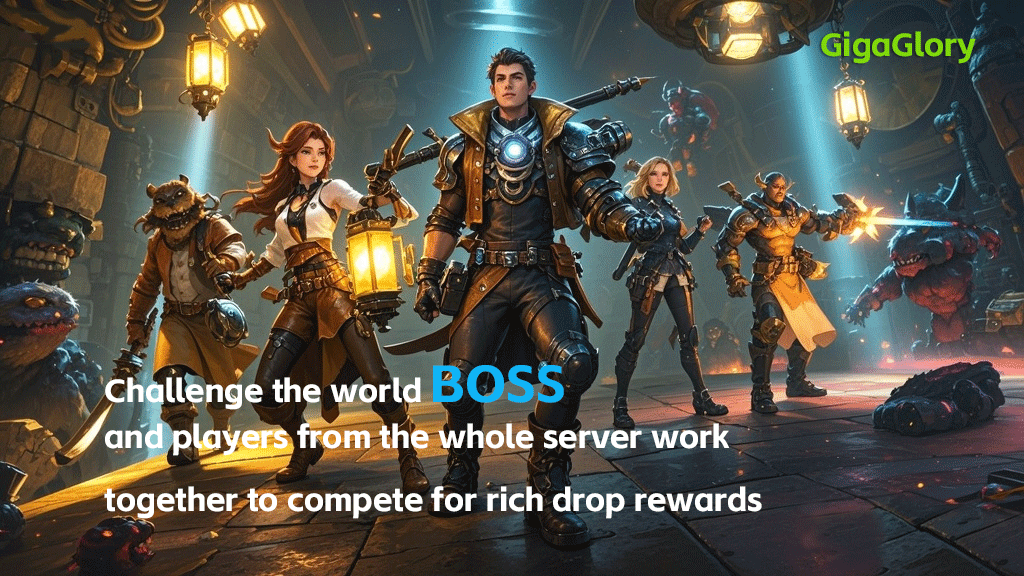
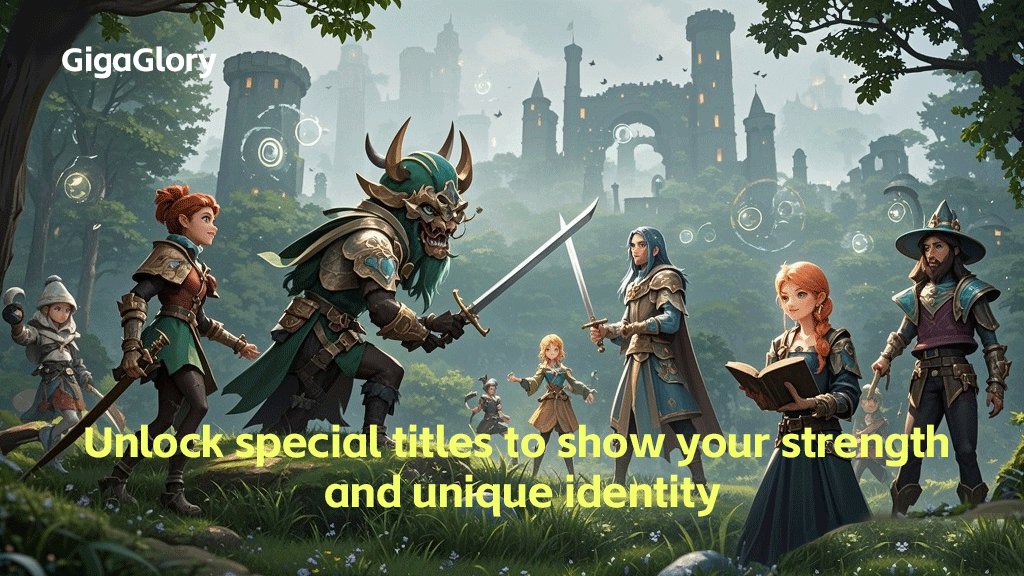
MMORPGs offer vast, expansive worlds filled with rich narratives and interactive populace. Gamers often create their avatars, embark on quests, and build communities. The social aspect cannot be understated; players form friendships, alliances, and sometimes rivalries. Titles like World of Warcraft and The Elder Scrolls Online have set the standard. Their sprawling worlds allow for adventure and exploration, and the sense of progression drives players to grind for levels and gear.
The Core Appeal of MMORPGs
Several factors contribute to the allure of MMORPGs:
- Endless Exploration: With vast open worlds to explore, players rarely run out of content.
- Community Interaction: Players can team up for challenges or just hang out in virtual pubs.
- Character Progression: The always-present upgrade path gives players a sense of accomplishment.
Entering the Realm of Incremental Games
On the flip side, we have incremental games, also called "clicker games." Unlike the hefty mechanics of MMORPGs, incremental games offer a more straightforward gameplay style. Players usually start with minimal resources and earn currency through clicks or taps. The goal? To maximize profits, level up, and unlock increasingly powerful upgrades.
Why Incremental Games Are So Engaging
The simplicity and the sense of progression in incremental games attract a different kind of gamer. Here’s a look at what appeals to players:
- Quick to Play: Games can be played in short stints, making them great for casual players.
- Gradual Progression: The feel of leveling up quickly keeps players hooked.
- Accessible Mechanics: No need for tutorials or lengthy instructions; just click and earn!
Contrasting MMORPGs and Incremental Games
While both genres capture player attention, they do so in fundamentally different ways:
| Feature | MMORPGs | Incremental Games |
|---|---|---|
| Gameplay Style | Complex, involves social interaction | Simple, mostly solo-focused |
| Time Investment | Long-term commitment | Short, bite-sized play sessions |
| Community Aspect | Strong player communities | Minimal interaction |
| Character Development | Deep customization | Limited to game progression |
EA Sports FC 25 and Its Impact on Gamers
Jumping off the niche genres, titles like EA Sports FC 25 represent the sports gaming genre. As gamers look for robust experiences, trading in CD keys has become prevalent. These keys unlock premium features and content, allowing players access to a more engaging gaming experience.
Single Player RPGs: An Alternative Experience
In the middle of MMORPGs and incremental games, single-player RPGs have their appeal. They provide a rich narrative experience without the need for online interaction. Titles like The Witcher 3 and Dark Souls offer intricate storylines while allowing players to immerse themselves without distractions.
The Modern Gaming Landscape
The gaming industry today is a mix of various genres catering to different audiences. Whether players seek the social interaction of an MMORPG or the simplicity of an incremental game, there is something for everyone. This diversity propels innovation, allowing for new experiences that can blend mechanics from different genres.
Challenges Facing Each Genre
Despite their popularity, both MMORPGs and incremental games face challenges. MMORPGs require constant updates to keep players engaged, while incremental games often struggle with extending gameplay longevity without becoming repetitive. Developers need to listen to player feedback and adapt accordingly to maintain their user base.
The Future of Gaming Genres
As technology evolves, so too will the genres. Artificial intelligence and machine learning could pave the way for dynamically generated content, making each player's experience unique. Imagine an MMORPG that generates quests based on your gameplay style or an incremental game that adapts its challenges to keep the gameplay fresh.
Conclusion
Both MMORPGs and incremental games have uniquely powerful ways of captivating gamers. While one might lean towards complex, immersive storylines and vast communities, the other offers an easily accessible form of entertainment that doesn’t require much time commitment. Their success shows that there is no “one size fits all” in the gaming universe. As gamers continue to seek out experiences tailored to their preferences, it’s evident that these genres will not just survive but thrive in the ever-expanding landscape of gaming.